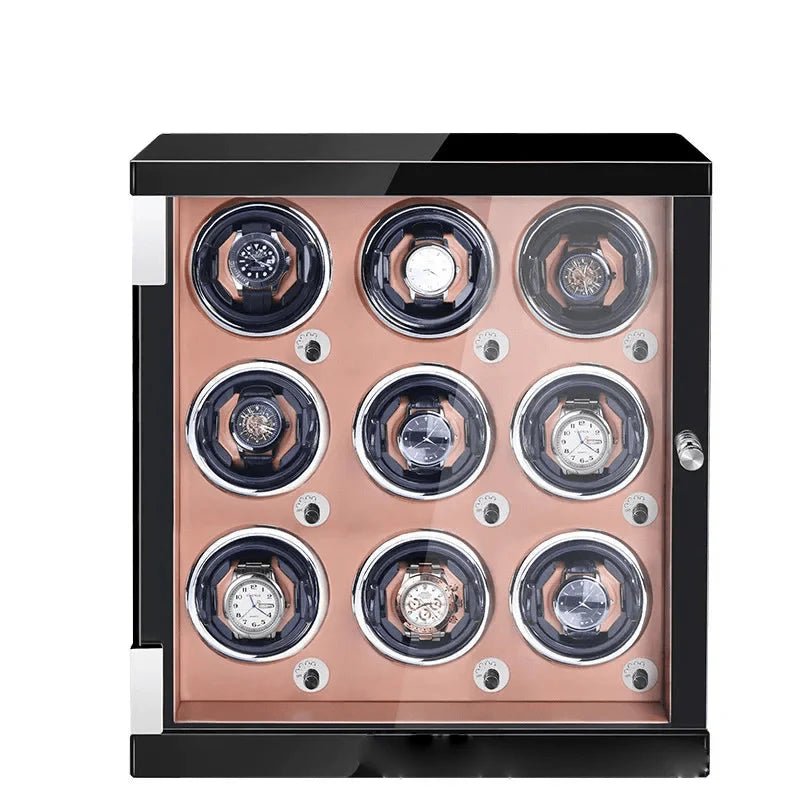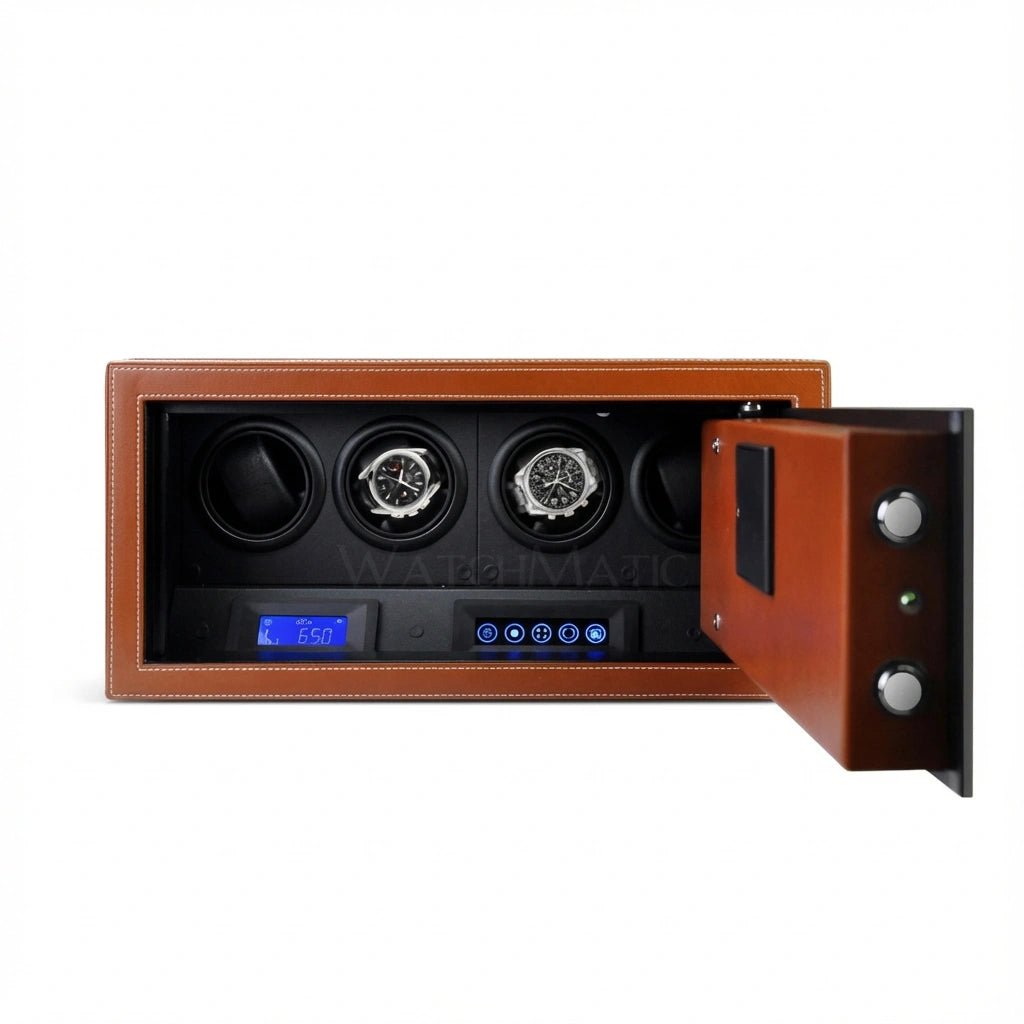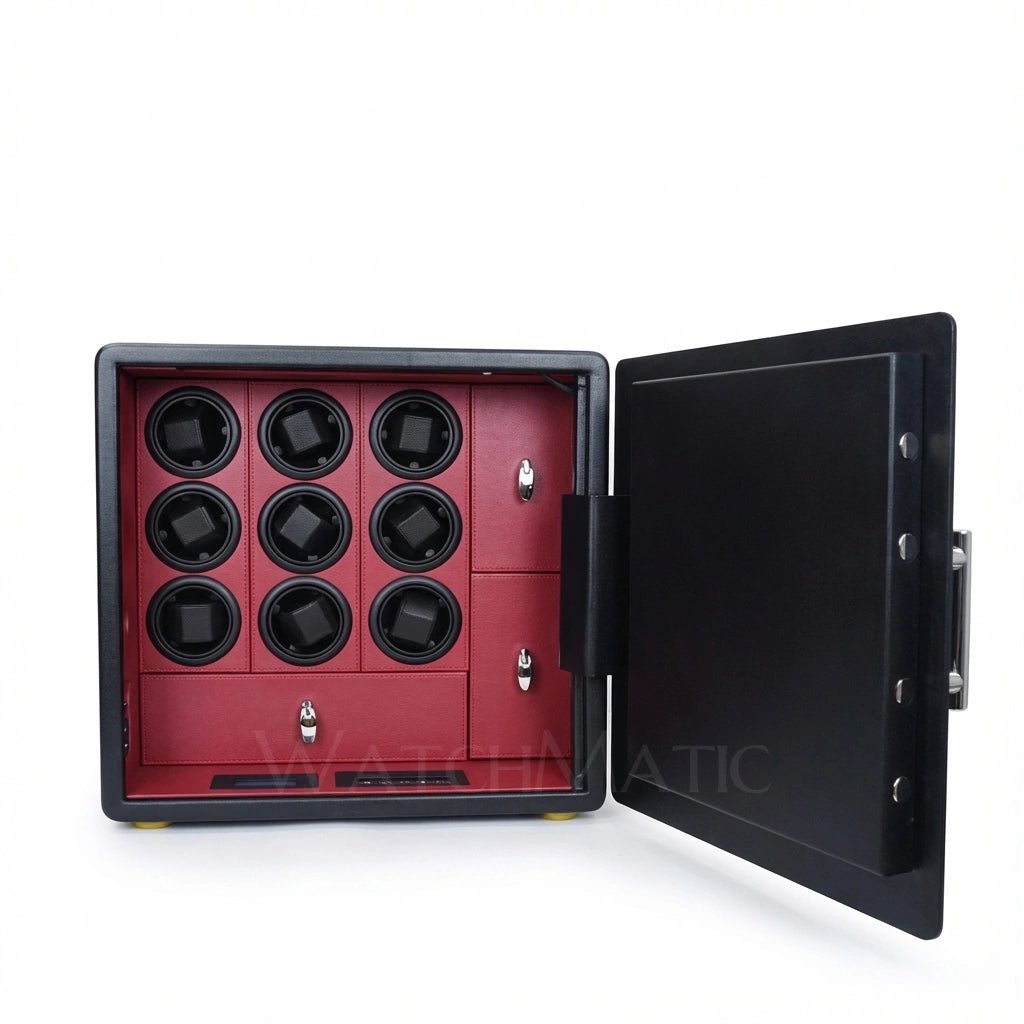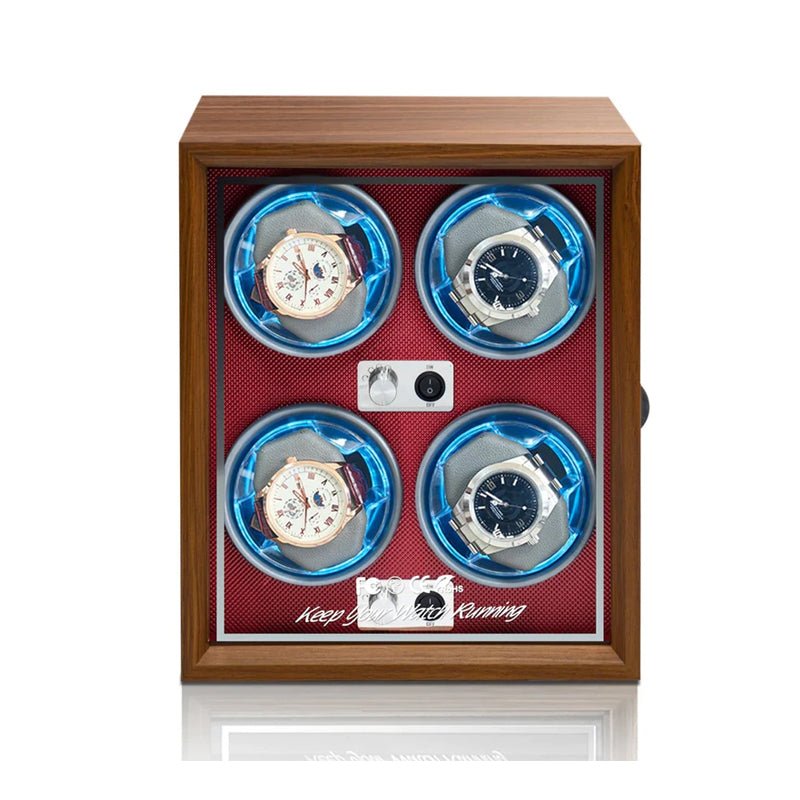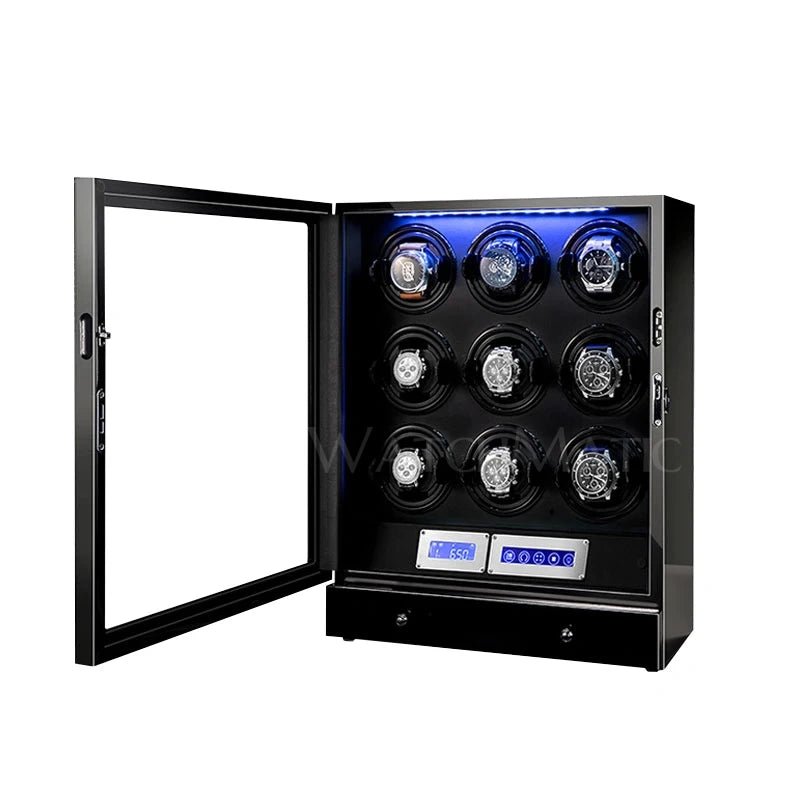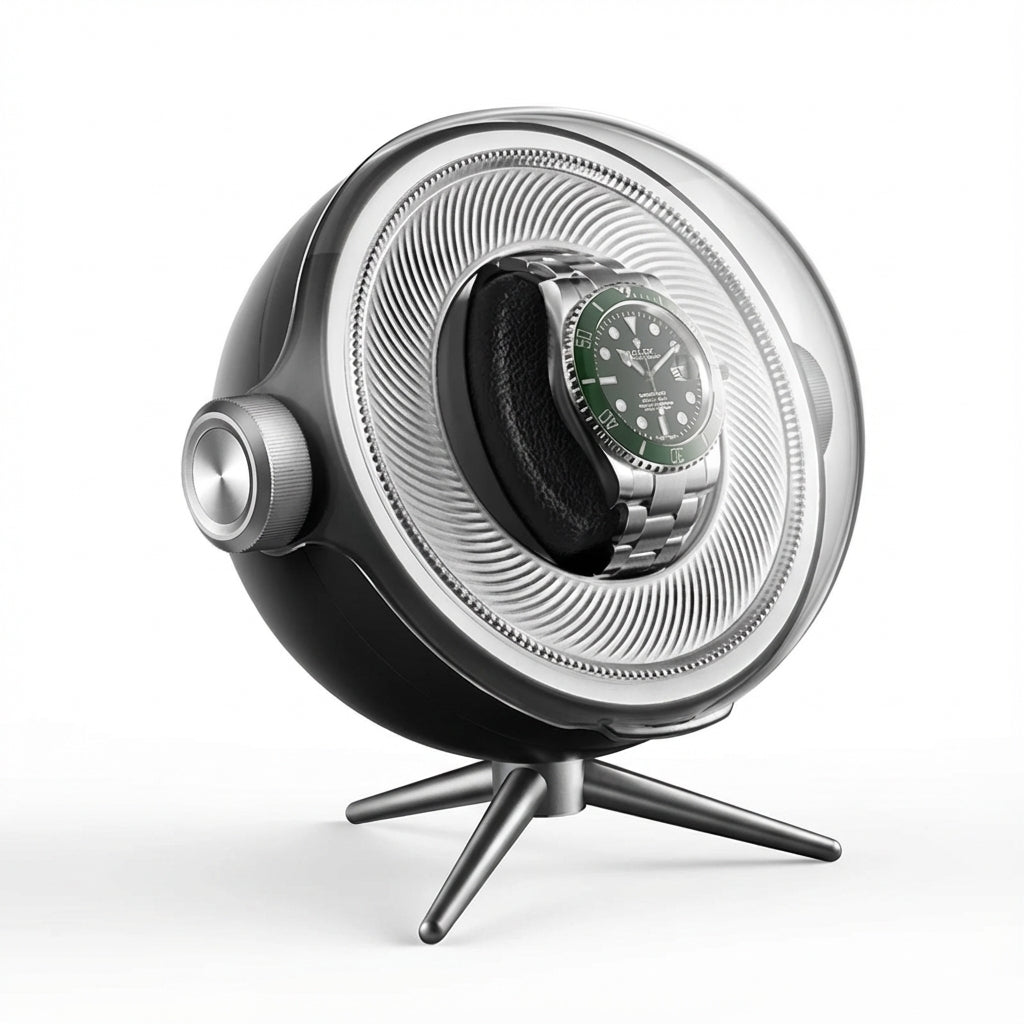
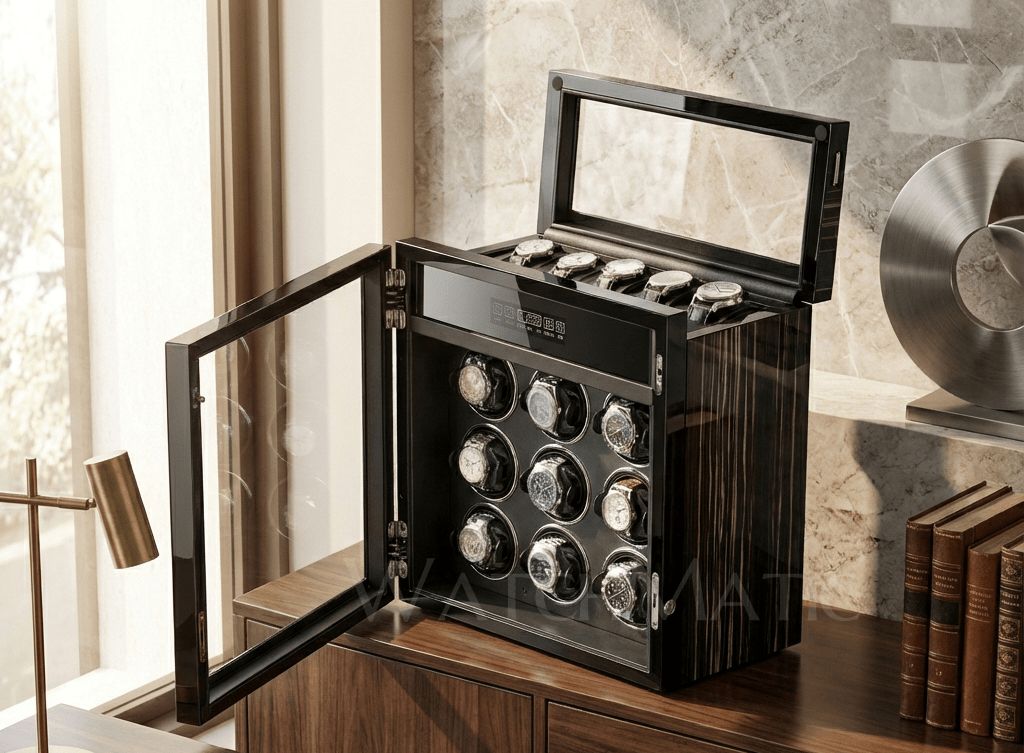
The debate between using a Watch Winder and Manual Winding is a frequent topic among watch collectors. At WatchMatic, we believe the choice isn't just about personal preference, it’s about the technical knowledge required to protect your investment.
While both methods keep your watch ticking, they have significantly different impacts on the longevity of the movement.
1. Manual Winding: Direct Interaction with Hidden Risks
Manual winding by turning the crown is the traditional way to power a watch.
- Pros: It allows you to feel the "heartbeat" of the movement and requires no extra accessories.
- Cons: Watch crowns use tiny rubber gaskets to maintain water resistance. Winding daily increases friction, leading to faster wear and tear on these seals.
- Risk: For watches with a screw-down crown, constant opening and closing can lead to "stripped threads," which is a very costly repair.
2. Watch Winder: Mimicking Natural Motion
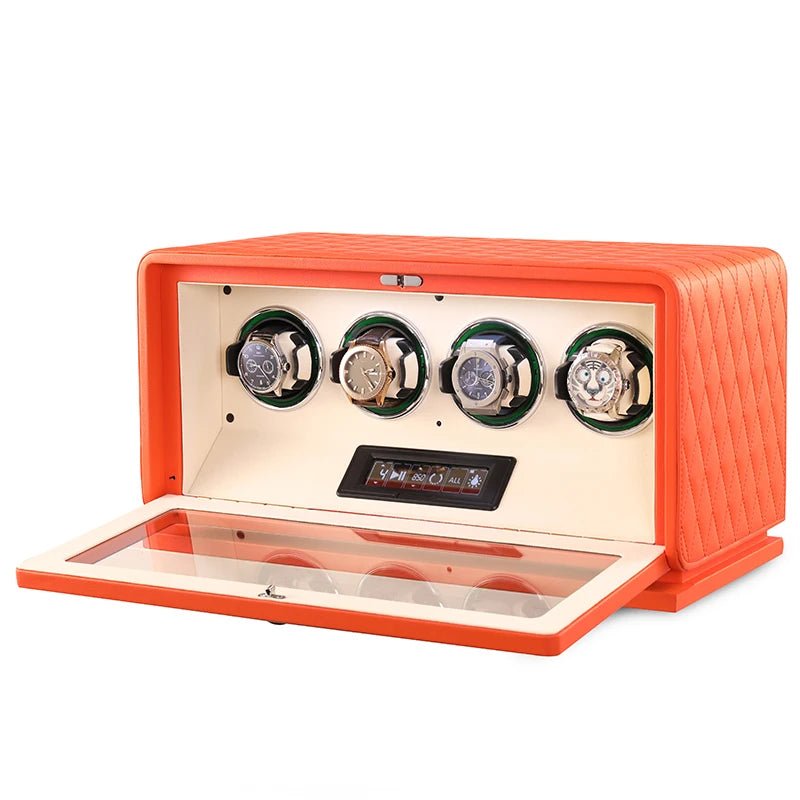
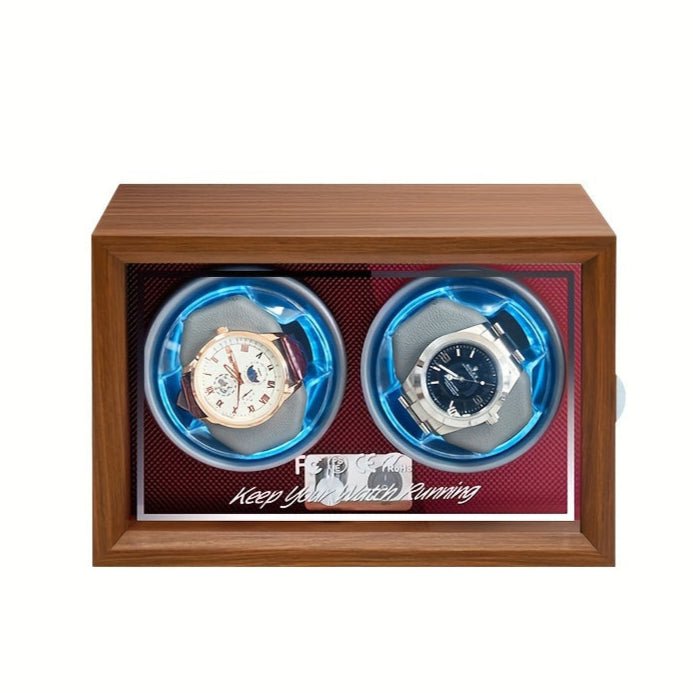
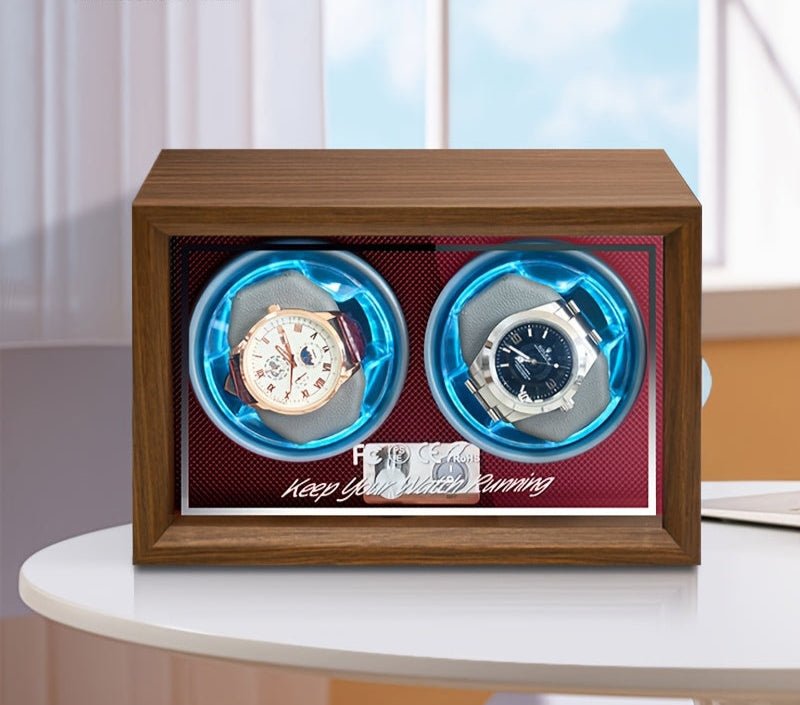
A luxury watch winder mimics the movement of a human wrist to rotate the rotor, winding the mainspring naturally.
- Pros: It keeps internal lubricants flowing evenly, preventing them from congealing or drying up when the watch sits idle for too long.
- Component Protection: Since the watch is wound via the rotor, you don't need to touch the crown frequently, keeping the waterproof gaskets and screw threads in pristine condition.
3. Which Method Should You Use?
- Manual Winding: Best used only when your watch has stopped completely. You should give it a "kickstart" (about 20-30 turns) before wearing it or placing it in a winder.
- Watch Winder: The ultimate solution for collections of two or more timepieces, especially for watches with complex Perpetual Calendar or Moonphase complications.
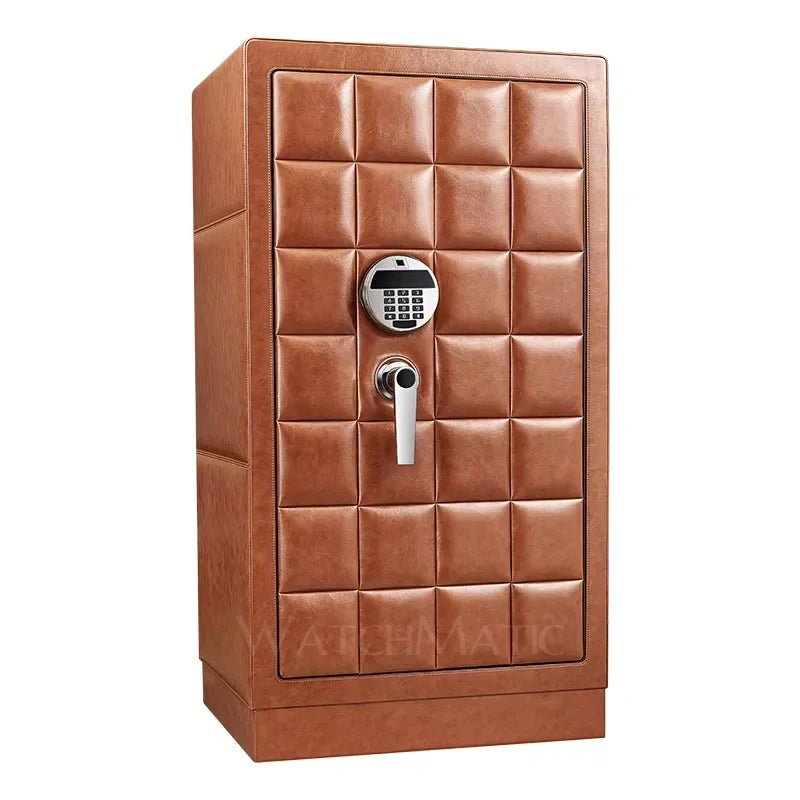
WatchMatic Recommendation: For maximum security and maintenance, use a watch winder safe featuring intermittent rotation cycles. This ensures your watch is always ready without putting constant stress on the mainspring.